
Many people assume that blood sugar spikes are caused only by obvious sugary foods like desserts, candy or soda. While those certainly raise glucose quickly, some foods that are commonly perceived as “healthy” can also spike blood sugar significantly, especially when eaten on their own.
This happens because certain foods digest quickly and release glucose into the bloodstream faster than the body can regulate. The result is a rapid rise in blood sugar followed by a drop shortly afterward, often leading to fatigue, cravings and hunger soon after eating.
Understanding which foods tend to spike blood sugar — and how to modify them — can make a meaningful difference in energy levels, appetite regulation, hormonal balance and overall metabolic health.
Below are ten foods that can cause larger-than-expected glucose spikes, along with simple strategies to make them more blood sugar friendly.
If you’re new to this topic, you can read more about what causes blood sugar spikes and why they matter here 👉 Check out “Why Blood Sugar Spikes Matter”.
Foods That Spike Blood Sugar (Even the Healthy Ones)
1. Fruit Juice
Fruit juice is often perceived as a healthy choice because it contains vitamins and antioxidants from fruit. However, when fruit is juiced, most of the fiber is removed. Fiber is what slows digestion and helps regulate how quickly glucose enters the bloodstream.
Without fiber, fruit juice delivers a concentrated dose of sugar that can raise blood sugar levels quickly.
Better approach:
Choose whole fruit instead of juice. The fiber in whole fruit slows digestion and leads to a more gradual glucose response.
2. Smoothies
Smoothies can be nutrient-dense, but they can also deliver a large amount of carbohydrates very quickly — especially when they contain multiple fruits, fruit juice or sweetened plant milks.
Blending breaks down fiber structure, making carbohydrates easier to absorb. If the smoothie lacks protein or fat, blood sugar may rise rapidly.
Better approach:
Include a protein source such as Greek yogurt, tofu or protein powder and add healthy fats like chia seeds, ground flax or nut butter to slow glucose absorption.
3. Oatmeal
Oatmeal is widely considered a heart-healthy breakfast, but depending on the type and portion size, it can still cause blood sugar spikes — particularly when eaten alone.
Instant oats digest more quickly than steel-cut or rolled oats, leading to faster sugar spikes.
Better approach:
Pair oatmeal with protein and fat, such as eggs, Greek yogurt, nuts or seeds and consider adding fiber-rich toppings such as berries.
4. Granola
Granola is often marketed as a wholesome breakfast or snack food, but many varieties contain added sugars and concentrated carbohydrate sources such as honey, syrups, or dried fruit.
Even when labeled as natural or organic, granola can still contain a high glycemic load.
Better approach:
Use smaller portions and pair granola with protein-rich foods like Greek yogurt or unsweetened yogurt alternatives.
5. White Rice
White rice is a staple food in many cuisines, but because the fiber-rich outer layers of the grain have been removed, it digests quickly and can raise blood sugar rapidly.
Large portions of rice without other macronutrients may lead to noticeable glucose spikes.
Better approach:
Pair rice with protein, vegetables and healthy fats to slow digestion and reduce the overall glucose response.
6. Rice Cakes
Rice cakes are frequently marketed as a light, healthy snack, but because they are made from puffed refined grains, they digest quickly and may cause rapid blood sugar spikes.
On their own, they provide little fiber, protein or fat to slow glucose absorption.
Better approach:
Add toppings such as nut butter, hummus, avocado or eggs to balance the snack.
7. Chips & Refined Snack Foods
Chips and similar packaged snacks are made from refined carbohydrates that digest quickly and raise blood sugar levels.
Because they are low in fiber, protein and fat, they are absorbed rapidly — often leading to a noticeable glucose spike.
Example from my CGM
Individual responses to food can vary, but CGM data provides useful insights into how different foods may influence blood sugar patterns.
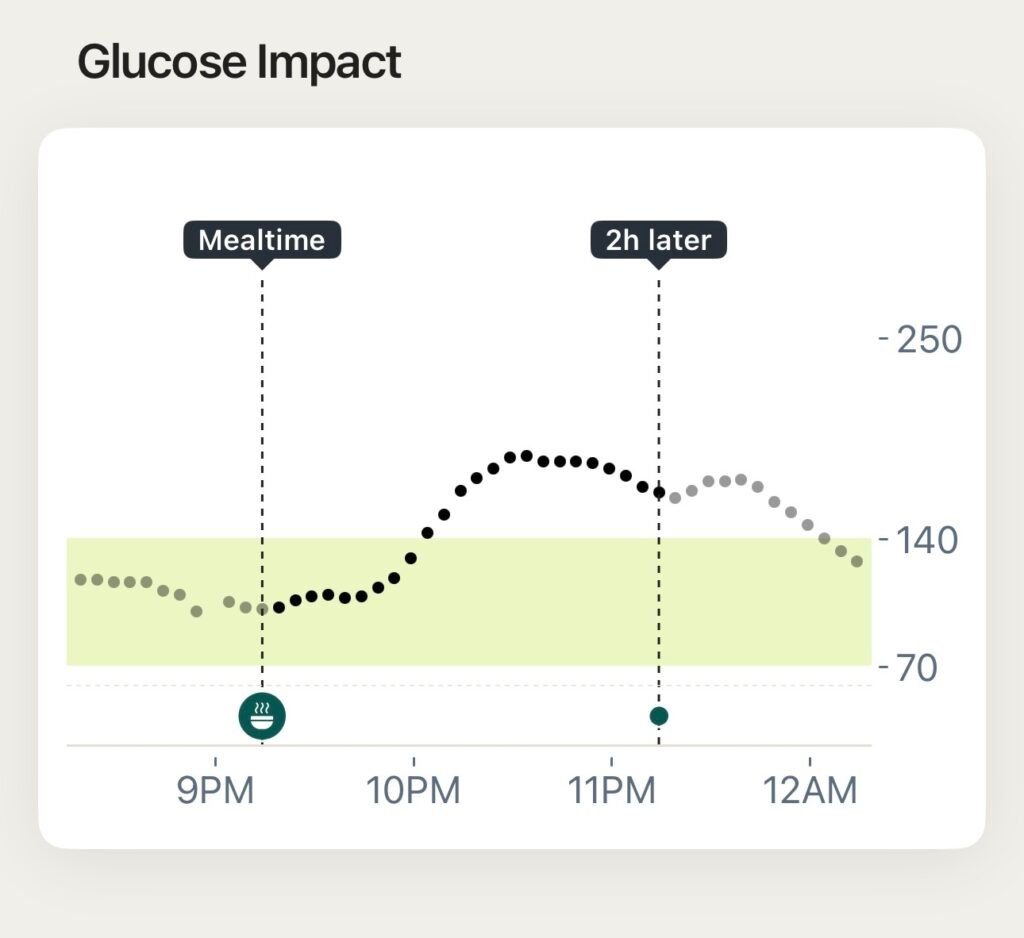
In one instance, I observed a clear glucose spike after eating chips and rice cakes.
What I noticed
My glucose rose from ~101 mg/dL at mealtime to ~165 mg/dL within 2 hours.
What this shows
Refined snack foods — even when eaten in small portions — can cause rapid increases in blood sugar due to their fast digestion.
Better approach
Pair these foods with protein or fats or replace them with more balanced snack options.
8. Dried Fruit
Dried fruit is often considered a natural snack, but it contains a concentrated amount of sugar in a much smaller volume than fresh fruit. Because the water has been removed, it is easy to consume several servings quickly.
This can result in a significant rise in blood sugar, especially when eaten by itself.
Example from my CGM
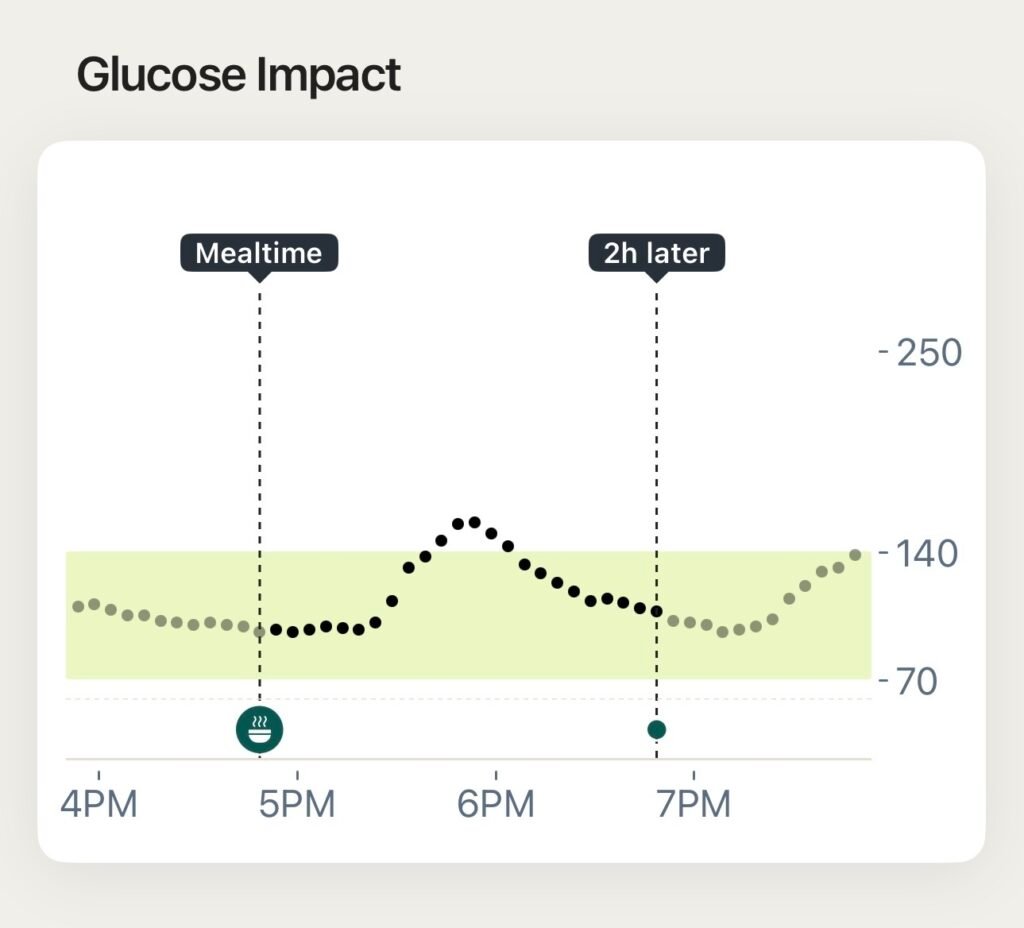
One example I observed while wearing a continuous glucose monitor occurred after eating nuts with dried fruit. While nuts provide healthy fats and protein, the dried fruit still caused a noticeable glucose spike.
What I noticed
My glucose rose from ~96 mg/dL at mealtime to ~148 mg/dL within about an hour, before gradually coming down.
What this shows
Even when paired with nuts and seeds, concentrated sugars in dried fruit can still drive a noticeable glucose rise.
Better approach
Keep portions small and pair dried fruit with higher-protein foods, or choose fresh fruit for a more balanced response.
9. Sweetened Coffee Drinks
Many coffee beverages contain large amounts of added sugar from syrups, sweetened milk or flavorings. Drinks such as flavored lattes, frappes or sweetened cold brews can contain as much sugar as a dessert.
Liquid carbohydrates are absorbed very quickly and can lead to sharp glucose spikes.
Better approach:
Opt for unsweetened coffee and add milk or a small amount of natural sweetener if desired.
10. Refined Grain “Health Foods”
Many packaged foods marketed as whole-grain or natural can still behave similarly to refined carbohydrates once digested such as snack bars. They are marketed as healthy or high-protein options, but some contain large amounts of added sugar, syrups or refined grains.
Example from my CGM
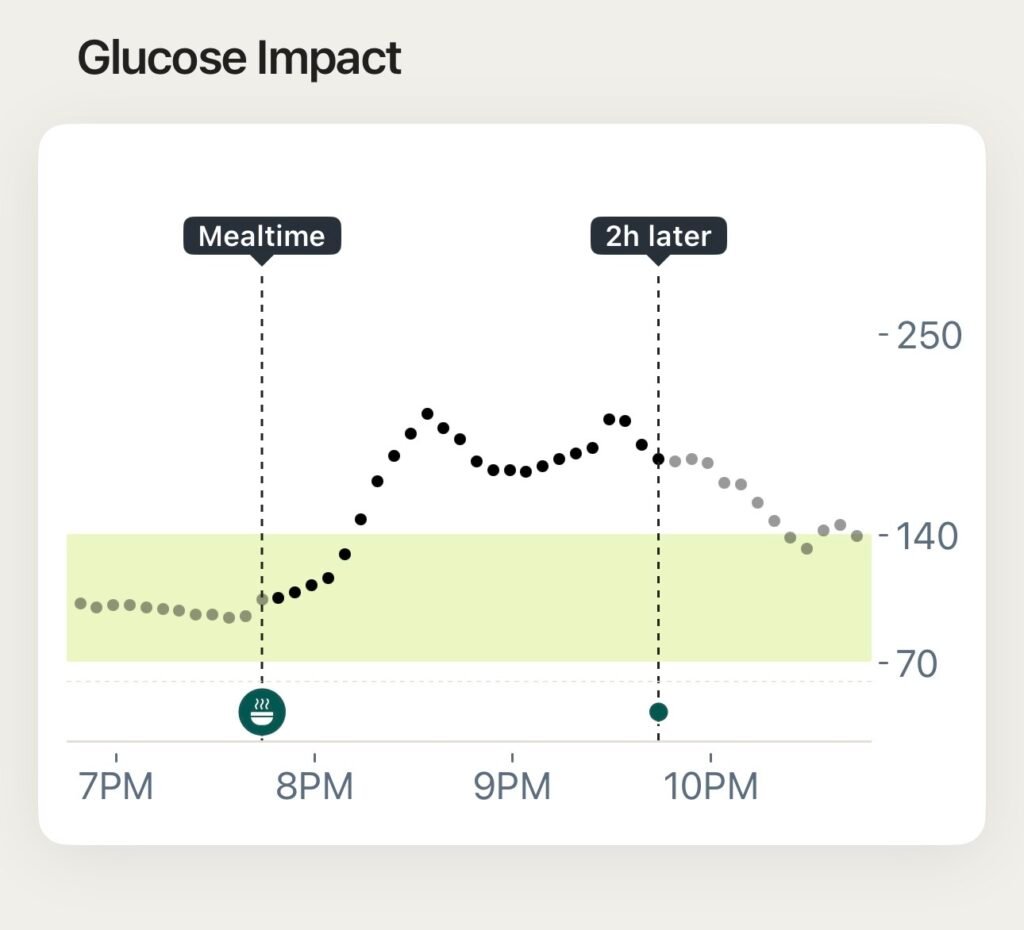
One surprising spike I observed occurred after eating Ramen millet noodles made from organic brown rice flour and organic millet flour. Despite having only two simple ingredients and appearing minimally processed, the meal still caused a large glucose spike — even when vegetables were added.
What I noticed
My glucose rose from ~104 mg/dL at mealtime to ~181 mg/dL within 2 hours.
What this shows
Even foods made with simple, whole-grain ingredients can behave like refined carbohydrates once ground into flour and cooked.
Better approach
“Clean” or short ingredient lists don’t always mean a lower glucose impact. Pair grain-based meals with protein and healthy fats to help reduce spikes.
How to Reduce Blood Sugar Spikes
The goal is not to eliminate carbohydrates entirely, but to structure meals in a way that slows glucose absorption.
Some simple strategies include:
Pair carbohydrates with protein or healthy fats
These nutrients slow digestion and help moderate glucose responses.
Prioritize fiber-rich foods
Vegetables, legumes, and whole grains help regulate how quickly carbohydrates enter the bloodstream.
Avoid eating carbohydrates alone
Combining macronutrients can significantly improve blood sugar stability.
Move after meals
Even a short 10–15 minute walk can help muscles use circulating glucose more efficiently.
Prioritize sleep and manage stress
Both sleep and stress hormones influence how the body regulates blood sugar.
Frequently Asked Questions
Do healthy foods spike blood sugar?
Yes. Even foods considered healthy, such as oatmeal, smoothies or dried fruit, can cause blood sugar spikes depending on portion size and how they are combined with other nutrients.
What foods spike blood sugar the most?
Refined carbohydrates such as white rice, chips, sugary drinks and processed snacks tend to cause the fastest spikes. However, even some whole foods can spike blood sugar when eaten alone.
How can I reduce blood sugar spikes naturally?
Pair carbohydrates with protein or fats, eat fiber-rich foods, avoid eating carbs alone, move after meals and prioritize sleep and stress management.
The Bottom Line
Not all blood sugar spikes come from obvious sugary foods. Many foods that are commonly perceived as healthy — including smoothies, granola, dried fruit and certain grain-based products — can still cause significant glucose increases depending on portion size and food combinations.
The good news is that small adjustments to how meals are structured can make a meaningful difference. By pairing carbohydrates with protein, fats and fiber, it is often possible to enjoy a wide variety of foods while maintaining more stable blood glucose levels.
As I continue experimenting with a continuous glucose monitor, I’ll be sharing more real-world examples of how different foods influence blood sugar — and simple strategies to help keep glucose patterns more stable throughout the day.
Interested in learning how everyday foods influence blood sugar?
Follow along as I share insights from real-world experiments and practical strategies for building glucose-balanced meals.